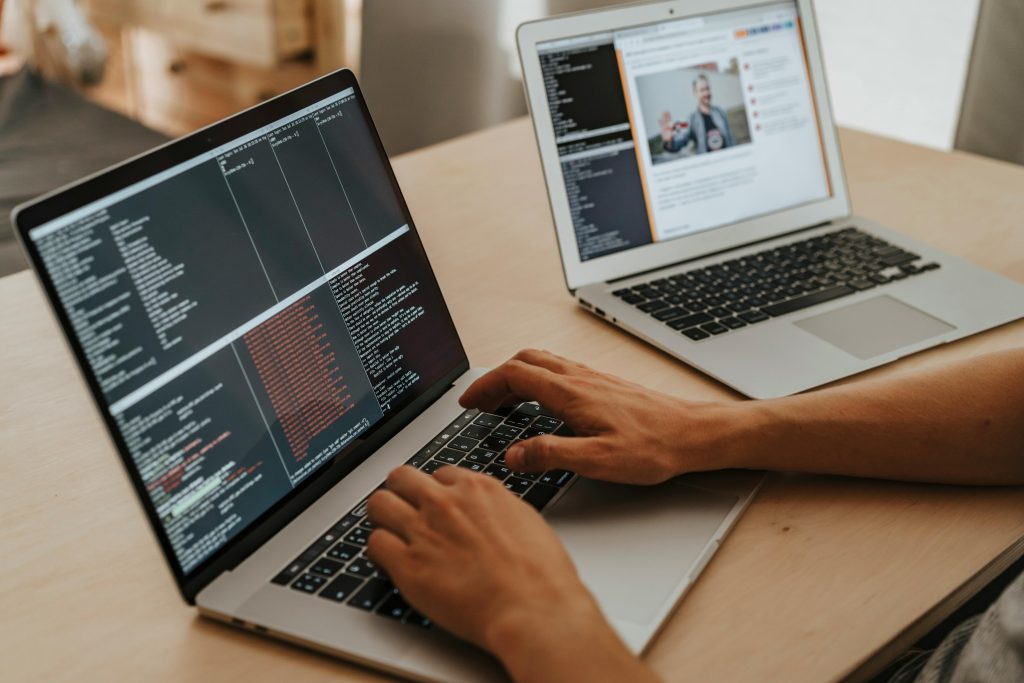
Introduction to Web Development
The process of building internet-accessible websites and web apps is known as web development. To create an intuitive and useful online presence, a blend of programming, design, and content generation is needed. Web development is the foundation of the digital world, regardless of whether you’re creating a simple personal blog or a sophisticated e-commerce platform.
Creating, developing, and managing websites and web apps that operate online in a browser is referred to as web development, sometimes called website development.
Types of Web Development
- 1. Front-End Development: focuses on a website’s visual elements that consumers can immediately interact with.
- uses JavaScript, HTML, and CSS to create user interfaces (UI) that are interesting and responsive.
- Websites with front-end development make sure they look good and work well on different types of devices.
- 2. Back-End Development: manages a website’s servers, databases, and application logic on the server side.
- include frameworks like Django and Node.js as well as programming languages like PHP, Python, and Ruby.
- Back-end developers ensure that data is processed appropriately and that the website runs smoothly.
- 3. Full-Stack Development: combines knowledge of back-end and front-end web development.
- Full-stack engineers are adaptable and capable of managing any aspect of development, from server administration to user interface design.
- They are quite valuable in the market since they fill the void that exists between the client and server sides.
- this are the main ones and there are others like E-commerce Development and Content Management System (CMS) Development we will see them in our next post if you like.
Key Factors in Web Development
User Experience:
-putting the wants and requirements of the user first in order to produce a simple and joyful experience.
-Layout, accessibility, and navigation are all impacted by UX design.
Responsive Design:
-making sure websites work properly across all platforms, including tablets, smartphones, and PCs.
-More people are accessing websites through mobile devices, thus mobile-friendly design is essential.
Security:
-putting in place safeguards for websites against online attacks, such as firewalls, SSL certificates, and secure coding techniques.
-guarantees data security and reliability, particularly for e-commerce websites.
SEO (Search Engine Optimization):
-improving a website’s content and architecture to improve its position in search engine rankings (SERPs).
-Organic traffic and visibility are fueled by SEO.
Performance Optimization:
-increasing the speed and loading time of websites to raise their search engine results and increase user happiness.
-Caching, effective coding, and picture compression are some of the techniques.
Uses of Web Development
Educational and Informational Sites:
-provides a wide audience with online lessons, courses, and tools.
-utilized by content producers, online learning platforms, and educational establishments.
Personal Blogs and Portfolios:
-provides a forum for people to express their ideas, exhibit their work, and develop their personal brands.
-Customization and control over the look and content are made possible through web development.
Websites for Businesses:
-creating an internet presence for companies of all kinds.
-offers contact information, product and service data, and information.
-helps companies to create leads and connect with a worldwide audience.
E-commerce Platforms:
-makes it easier for customers to shop online and enables companies to offer goods to customers directly.
-combines client management, shipping, and payment processing.
Conclusion
In the digital age, web development is a dynamic field that is essential. Comprehending the various kinds, applications, and crucial elements of web development is crucial for the accomplishment of any web project, whether it a personal blog, online store, or commercial website. User experience, security, and performance are the three main areas to concentrate on when building a website that not only looks amazing but also benefits its visitors. this is it for today if you have any questions feel free to ask good day.
WTD